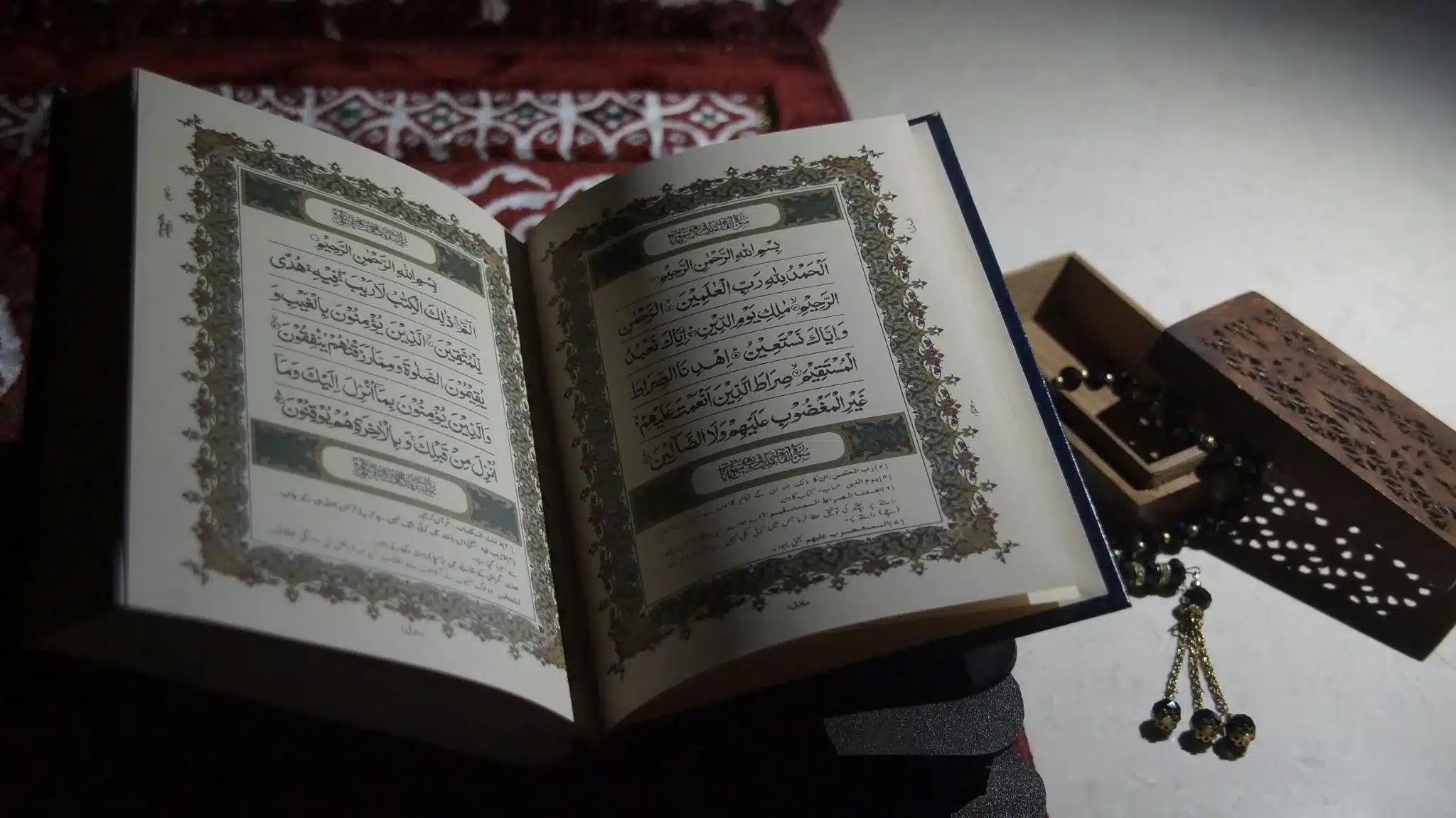
Alhamdulillah: Spiritual Meaning & Importance in Islam
Saying Alhamdulillah is the routine for Muslims. This small word has many spiritual and worldly benefits. What can be better than thanking Allah Almighty continuously for His blessings? Showing gratitude is also the perfect way to attract more blessings. It might look like a simple word, but it has many layers and a profound meaning. Alhamdulillah reflects the believer’s connection with the Creator. Whether you say it quietly in prayer, after a meal or during times of ease or hardship, this word has deep meaning and immense rewards.
You might not know this, but Alhamdulillah is one of the most frequently used words among believers. It is a part of the daily routine of every Muslim. Whenever someone asks a believer how they are, they usually reply, “Alhamdulillah.” This shows that gratitude is a prominent virtue among Muslims. We understand the significance of being grateful to Allah Almighty for even the smallest blessings. Keep reading this blog if you want to know more about the spiritual meaning and importance of Alhamdulillah in Islam.
Alhamdulillah Spiritual Meaning & Importance in Islam
1. What is the Meaning of “Alhamdulillah”?
The translation of “Alhamdulillah” is “All praise is due to Allah”. It might look like a simple thank-you to the Creator of the universe for his blessings, but it has various layers of meaning. It shows that;
- Allah alone is worthy of all praise
- Every blessing, big or small, comes from Him
- Even challenges hold wisdom and purpose
This is not just ordinary gratitude. It is the recognition of divine perfection, and it can only be expressed when we are praising and thanking Allah Almighty.
2. The Deeper Spiritual Meaning of Alhamdulillah
Alhamdulillah is not just a word. It is a declaration of faith and trust in Allah Almighty. This is a mindset that not only nurtures awareness but also plays a significant role in having a firm faith. It reminds a believer of many things. Some of these things are listed below;
Acknowledge Allah’s Blessings
Saying Alhamdulillah frequently is one of the best ways to acknowledge Allah Almighty’s blessings. Every aspect of our lives offers endless reasons to be grateful to our Creator. From health and family to being fortunate enough to have a firm faith, everything deserves acknowledgement, as it is a blessing from Allah Almighty.
Stay Humble
Staying grateful keeps you humble. By saying Alhamdulillah, you are attributing all praise to Allah Almighty. This helps you avoid arrogance. You realise your dependence on Allah Almighty in every phase and aspect of your life through this simple word.
rust Divine Wisdom
Once you put your complete faith in divine wisdom, you will see your life change dramatically. When you say Alhamdulillah in the moments of hardship and challenges, you acknowledge that Allah Almighty’s plans are better than your plans. We cannot perceive what His wisdom deems perfect for us; therefore, we should put our complete faith in Him, and He will guide us through life.
3. Importance in Daily Life
As we have already mentioned, Alhamdulillah is a frequent practice in the daily life of a Muslim. It has great significance. Some of the factors that make it a significant practice in a Muslim’s daily life include;
A Core Part of Islamic Worship
Alhamdulillah is not just a word or a phrase that Muslims use to express gratitude to the Creator. It is a core part of Islamic worship. Muslims say this heartfelt supplication in their daily prayers. It shows its central position in Islamic worship.
A Sunnah in Everyday Actions
Our beloved Prophet Muhammad (SAW) has taught us to say Alhamdulillah regularly in various situations. He asked his followers to say Alhamdulillah in the following situations.
- After eating or drinking
- Upon waking up
- After sneezing
- When experiencing relief or ease
This way, even your ordinary actions become acts of worship and help you gain endless rewards.
A Shield Against Negativity
When Alhamdulillah becomes part of your routine, you will start feeling grateful for all the things you have and shift your focus from what is lacking. It reduces anxiety, envy, and depression. It satisfies you with the blessings that you have in your life.
4. Saying Alhamdulillah in Difficult Times
Many people have the misconception that you should only say Alhamdulillah when you realise the blessings that you have in your life or when you feel grateful to the Creator. It is encouraged to say Alhamdulillah even in times of hardship, as it has great benefits. Muslims are urged to recite this beautiful supplication during times of hardship to acknowledge the unseen wisdom and to display their patience in the plans of Allah Almighty.
This isn’t a denial of pain but a transformation of perspective. It will bring so much positivity in your life and will remind you of the following things;
- Trials are temporary
- Rewards are eternal
- Allah is always in control
5. How to Incorporate Alhamdulillah in Your Life?
Incorporating Alhamdulillah into your life will change it. Many people start practising it more before going on or returning from their Umrah trip, as it revives faith, but some learn to be more grateful to the Almighty for his blessings and his plans. If you are also going on a pilgrimage or want to be more grateful, here are some ways to incorporate this supplication into your daily life.
- Start your day by saying Alhamdulillah upon waking
- Say it after meals and daily tasks
- Reflect on at least 3 blessings each day
- Use it consciously during both good and challenging moments
Final Thoughts
Alhamdulillah is an important part of Islam. It reflects faith, gratitude and divine wisdom. A Muslim’s prominent virtue is to be grateful to the Almighty in all aspects and phases of life. Therefore, it is important for every believer to understand the spiritual meaning and significance of Alhamdulillah and to incorporate it into their lives.
Author Profile

- Connect Via WhatsApp: +1 (786) 600-4511
-
Nadiya Khan is a devoted scholar of Islamic Studies and a seasoned writer with over 12 years of experience in crafting spiritually enriching Islamic content. Her expertise lies in presenting authentic duas and teachings from the Qur’an and Sunnah, rooted in the scholarly traditions of all four Sunni madhhabs - Hanafi, Shafi’i, Maliki, and Hanbali.
Through her work at the Islamic Dua Knowledge Hub, Nadiya brings timeless wisdom to life, offering Muslims practical, heartfelt guidance for navigating daily challenges with faith, clarity, and peace. Her writing is known for its precision, emotional depth, and unwavering commitment to authenticity, helping readers connect more deeply with Allah ﷻ through the power of sincere supplication.
Driven by a clear mission, Nadiya seeks to revive the practice of dua as a daily source of comfort, gratitude, and spiritual intimacy with the Creator. Her words are not just informative, they are a gentle invitation to reflect, reconnect, and rise.
🤝 Editorial Collaboration Opportunities
We welcome guest contributions from professionals, organizations, and service providers aligned with our values. For a nominal fee, our Islamic Guest Post service ensures your message reaches a dedicated audience while supporting the continued growth of this meaningful platform.
Latest entries
 Quran Majeed classesJuly 18, 2026Learn Shia Quran Teaching Online: The Best Guide for Kids and Families
- Islamic DuaJuly 18, 2026Dua After Eating: Complete Islamic Guide with Arabic, Meaning, Benefits
- Islamic Birthday WishesJuly 16, 2026Best Islamic Birthday Wishes (2026): 150+ Duas, Messages & Prayers for Family and Friends
- Islamic DuaJuly 13, 20264 Essential Daily Duas Every Muslim Should Know (With Meaning)