Complete Guide to Durood Sharif: Meaning, Benefits, Transliteration, and English Translation
Durood Sharif
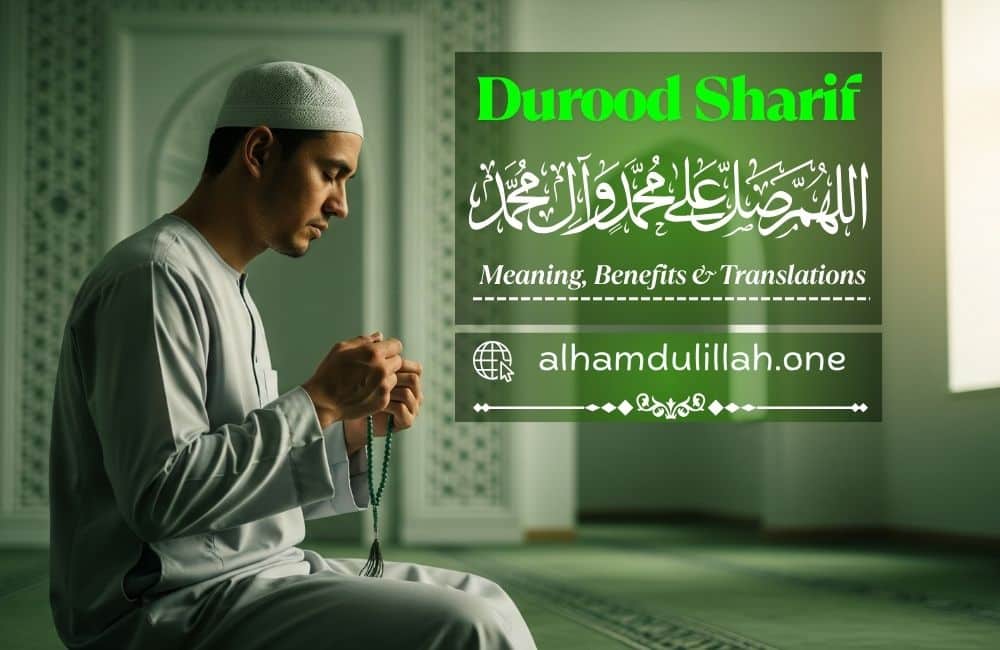
Reciting Durood Sharif is a sacred act performed by Muslims around the world to express love, respect, and honor for the Prophet Muhammad ﷺ. This act, embedded in Islamic tradition, is a form of prayer that invokes peace and blessings upon the Prophet and his family. In this comprehensive article, we explore different forms of Durood, with transliterations, meanings, and translations in English, Hindi, and Roman English. This guide aims to provide a deep understanding of Darood Sharif, its significance, and how to recite it correctly.
What is Durood Sharif?
Durood Sharif refers to the Islamic salutation and supplication sent upon the Prophet Muhammad ﷺ. The word “Durood” is of Persian origin, and “Sharif” means noble or exalted. In Arabic, it is referred to as Salawat. The Qur’an itself commands Muslims to send blessings upon the Prophet in Surah Al-Ahzab (33:56):
“Indeed, Allah and His angels send blessings upon the Prophet. O you who have believed, ask [ Allah to confer] blessing upon him and ask [ Allah to grant him] peace.”
Darood E Ibrahim in English and Arabic with Transliteration
This is the most commonly recited Durood during the Tashahhud (Attahiyat) in Salah.
Darood e Ibrahimi (Arabic):
اللّهُمَّ صَلِّ عَلَىٰ مُحَمَّدٍ وَعَلَىٰ آلِ مُحَمَّدٍ، كَمَا صَلَّيْتَ عَلَىٰ إِبْرَاهِيمَ وَعَلَىٰ آلِ إِبْرَاهِيمَ، إِنَّكَ حَمِيدٌ مَجِيدٌ
اللّهُمَّ بَارِكْ عَلَىٰ مُحَمَّدٍ وَعَلَىٰ آلِ مُحَمَّدٍ، كَمَا بَارَكْتَ عَلَىٰ إِبْرَاهِيمَ وَعَلَىٰ آلِ إِبْرَاهِيمَ، إِنَّكَ حَمِيدٌ مَجِيدٌ
Darood e Ibrahimi (Roman English Transliteration):
Allahumma salli ‘ala Muhammadin wa ‘ala aali Muhammadin, kama sallayta ‘ala Ibrahima wa ‘ala aali Ibrahima, innaka Hamidum Majid.
Allahumma barik ‘ala Muhammadin wa ‘ala aali Muhammadin, kama barakta ‘ala Ibrahima wa ‘ala aali Ibrahima, innaka Hamidum Majid.
Darood e Ibrahimi (English Translation):
O Allah, send blessings upon Muhammad and the family of Muhammad, just as You sent blessings upon Ibrahim and the family of Ibrahim. Verily, You are the Praiseworthy, the Glorious. O Allah, bless Muhammad and the family of Muhammad, as You blessed Ibrahim and the family of Ibrahim. Verily, You are the Praiseworthy, the Glorious.
Short Durood Sharif – Easy to Memorize Versions
For daily recitation and ease of memorization, short versions of Durood are highly beneficial.
1. Short Durood:

Transliteration:
Allahumma Salli ‘Ala Muhammad Wa Aale Muhammad
Translation:
O Allah, send peace and blessings upon Muhammad and the family of Muhammad.
Full Darood Sharif download
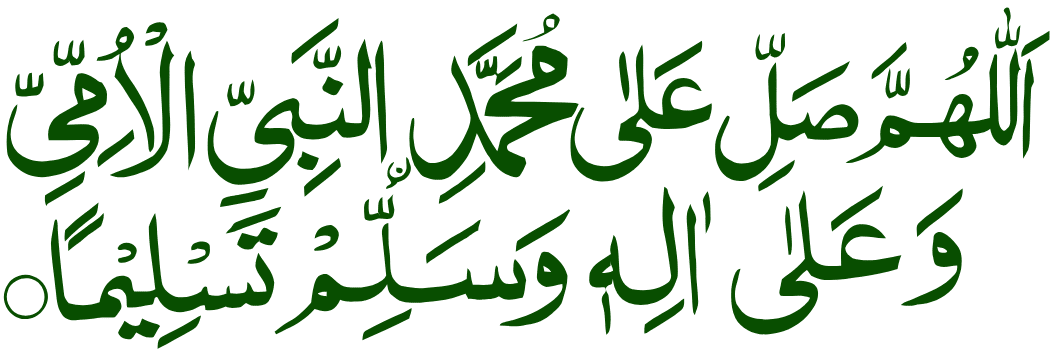
Allahumma salli ‘ala Muhammadin n-Nabiyyi-l-‘ummiyyi wa ‘ala alihi wa sallim tasleema
Darood Sharif in Roman English
Many Muslims who are non-Arabic speakers prefer to read Darood Sharif in Roman English for ease of pronunciation.
Popular Roman Transliteration:
- “Allahumma salli ‘ala Muhammadin wa ‘ala aali Muhammad”
- “Sallallahu ‘alayhi wa sallam”
- “Allahumma barik ‘ala Muhammadin wa ‘ala aali Muhammad”
These transliterations help new learners and children develop a habit of sending Durood without learning Arabic script immediately.
Durood Sharif in English Translation
Having access to the English translation of Durood allows non-native Arabic speakers to understand the meaning behind the recitation.
Example of Simple Translation:
“O Allah, send peace and blessings upon our Prophet Muhammad and upon his family and companions.”
This translation conveys the essence of love and devotion embedded in the recitation of Durood Sharif.
Darood Sharif in Hindi
Many Muslims in India and Urdu-Hindi speaking regions prefer reading Durood Sharif in Hindi script.
दरूद शरीफ हिंदी में:
अल्लाहुम्मा सल्ले अला मुहम्मदिंव्व अला आ’ले मुहम्मद, कमासल्लैत अला इब्राहीम व अला आ’ले इब्राहीम, इन्नका हमीदुम मजीद।
अल्लाहुम्मा बारिक अला मुहम्मदिंव्व अला आ’ले मुहम्मद, कमा बारकत अला इब्राहीम व अला आ’ले इब्राहीम, इन्नका हमीदुम मजीद।
This script is helpful for those who read and write in Hindi but want to stay connected with Islamic prayers.
Benefits of Reciting Durood Sharif
1. Divine Mercy and Forgiveness
Regular recitation opens the door of mercy from Allah and becomes a means of forgiveness for sins.
2. Elevation of Spiritual Rank
Sending blessings upon the Prophet ﷺ earns high spiritual ranks and status in the eyes of Allah.
3. Intercession on the Day of Judgment
According to Hadith, the person who frequently recites Durood will receive the intercession of Prophet Muhammad ﷺ on the Day of Judgment.
4. Inner Peace and Removal of Hardships
It is reported that consistent recitation helps in achieving mental peace, solving personal issues, and even curing diseases.
How to Incorporate Duroood in Daily Life
- After every Salah – Make a habit of reciting a short Durood after each prayer.
- During Daily Chores – Recite silently while working, walking, or commuting.
- Before Making Dua – Start your supplication with Durood and end with it for acceptance.
- On Fridays (Jumu’ah) – The Prophet ﷺ emphasized sending extra Durood on this blessed day.
Frequently Recited Duroods for Special Occasions
- Darood e Taj – Recited for protection and blessings.
- Darood e Tanjeena – Known for bringing relief from difficulties.
- Darood e Akbar – A highly exalted and comprehensive Durood.
Important Note from Ahle Sunnat Wal Jamaat Perspective
While Duroods such as Darood-e-Taj, Darood-e-Tanjeena, and Darood-e-Akbar are often recited for their beautiful wording and spiritual value, it’s important to approach them with respectful understanding. These Duroods are permissible and have been used by pious scholars and Muslims throughout history. However, they are not obligatory, nor should they be viewed as superior to Darood-e-Ibrahimi, which is directly established through authentic Hadith and included in the daily Salah.
Additionally, while all forms of sending blessings upon the Prophet ﷺ are virtuous, it is best to avoid making absolute claims about the effects of specific Duroods—such as guaranteed healing, protection, or immediate problem-solving—unless such claims are backed by authentic Islamic sources. The true spiritual benefit comes from sincerity, correct belief, and consistent devotion, in accordance with the balanced teachings of Ahle Sunnat Wal Jamaat.
Conclusion: The Power of Salawat
Reciting Durood Sharif is one of the most beloved acts in the sight of Allah. It creates a bond between the believer and the Prophet ﷺ and brings countless spiritual, emotional, and worldly benefits. Whether you recite the Darood e Ibrahimi, short Durood, or read it in Roman English, Hindi, or with full English translation, the act is immensely rewarding.
Start your day with Durood, end it with Durood, and you will find peace in your heart and blessings in your life.
Author Profile

- Connect Via WhatsApp: +1 (786) 600-4511
-
Nadiya Khan is a devoted scholar of Islamic Studies and a seasoned writer with over 12 years of experience in crafting spiritually enriching Islamic content. Her expertise lies in presenting authentic duas and teachings from the Qur’an and Sunnah, rooted in the scholarly traditions of all four Sunni madhhabs - Hanafi, Shafi’i, Maliki, and Hanbali.
Through her work at the Islamic Dua Knowledge Hub, Nadiya brings timeless wisdom to life, offering Muslims practical, heartfelt guidance for navigating daily challenges with faith, clarity, and peace. Her writing is known for its precision, emotional depth, and unwavering commitment to authenticity, helping readers connect more deeply with Allah ﷻ through the power of sincere supplication.
Driven by a clear mission, Nadiya seeks to revive the practice of dua as a daily source of comfort, gratitude, and spiritual intimacy with the Creator. Her words are not just informative, they are a gentle invitation to reflect, reconnect, and rise.
🤝 Editorial Collaboration Opportunities
We welcome guest contributions from professionals, organizations, and service providers aligned with our values. For a nominal fee, our Islamic Guest Post service ensures your message reaches a dedicated audience while supporting the continued growth of this meaningful platform.
Latest entries
 Quran Majeed classesJuly 18, 2026Learn Shia Quran Teaching Online: The Best Guide for Kids and Families
- Islamic DuaJuly 18, 2026Dua After Eating: Complete Islamic Guide with Arabic, Meaning, Benefits
- Islamic Birthday WishesJuly 16, 2026Best Islamic Birthday Wishes (2026): 150+ Duas, Messages & Prayers for Family and Friends
- Islamic DuaJuly 13, 20264 Essential Daily Duas Every Muslim Should Know (With Meaning)