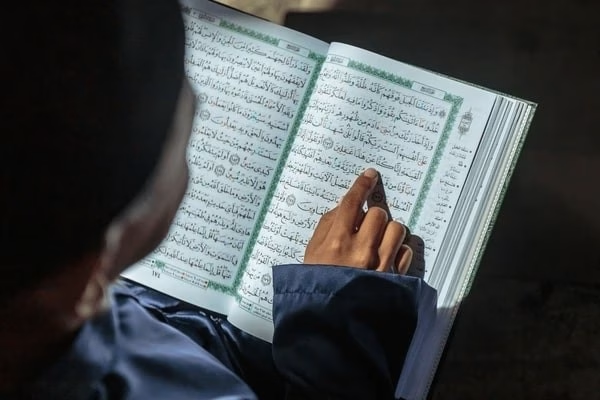
Best Way to Learn Quran Memorization for Kids
Learning Quran memorization at a young age is one of the most beautiful and rewarding journeys for children. It builds a deep love for Allah’s words, strengthens memory, and shapes strong moral values. However, helping kids memorize the Quran requires patience, the right approach, and consistent practice. Enrolling them in a Hifz program for kids can provide structured guidance, expert support, and a motivating environment to make this journey easier and more effective. When done properly, children not only remember the verses but also understand their meaning and develop a strong spiritual connection.
The key is to make learning enjoyable and not overwhelming. With creative teaching, daily routines, and positive encouragement, even small children can achieve great progress. Parents and teachers play a big role in guiding them with love and motivation, turning Quran memorization into a joyful and lifelong habit.
8 Ways to Learn the Quran Memorization for Kids
1. Start with Short Surahs
For beginners, always begin with small and simple Surahs like Al-Ikhlas, Al-Falaq, and An-Naas. These short chapters help children build early confidence. They’re easy to pronounce, rhythmic, and often repeated in daily prayers, which reinforces memorization naturally. Avoid starting with long or complex Surahs, as that can discourage them.
Once they’ve mastered the shorter ones, move on gradually to longer chapters. A sense of achievement keeps their motivation high and helps form a positive emotional connection with Quran learning.
2. Fix a Daily Routine
Consistency is the secret to successful memorization. Choose a specific time daily, ideally early mornin,g when the mind is fresh. Keep sessions short but regular, around 15–20 minutes each. Avoid skipping days, as gaps can break the rhythm and cause forgetting. Create a calm and distraction-free environment for better focus.
Tips for routine success:
- Review at the same place and time daily.
- Avoid TV, games, or meals right before memorization.
- Use a soft, kind tone to make the session peaceful and focused.
3. Use Repetition & Listening
Children remember faster when they hear and repeat verses regularly. Let them listen to beautiful recitations from trusted Qaris like Mishary Rashid Alafasy or Abdul Rahman Al-Sudais. Encourage them to mimic pronunciation and tone. Listening builds familiarity, while repetition strengthens retention.
You can:
- Play the same Surah multiple times daily.
- Ask your child to recite along with the recording.
- Repeat each verse 5–10 times before moving on.
This method combines auditory learning with practice, making memorization smoother and more natural.
4. Divide Verses into Small Parts
Long verses can feel overwhelming for children. Break them into shorter segments, a few words or a single phrase at a time. Let your child repeat each segment multiple times until it feels easy. Once they’ve memorized all the parts, combine them into one full verse.
For example:
- Memorize the first half of the verse.
- Review it 5 times.
- Move to the second half.
- Join both parts and recite them together.
This step-by-step approach builds accuracy and fluency while keeping the process light and stress-free.
5. Review Previous Lessons Daily
Revision is the backbone of Quran memorization. Without regular review, children tend to forget older Surahs as they move ahead. Start every session with a few minutes of revision before learning anything new. Repeat the old Surahs several times in a week to keep them strong in memory.
Parents can make this fun, turn it into a short quiz or a mini recitation challenge. A good rule is: spend 30% of the time on new memorization and 70% on revision. This keeps learning balanced and long-lasting.
6. Encourage with Rewards
Positive reinforcement keeps kids motivated. Praise their efforts, not just results. Even if they memorize one verse correctly, celebrate it. Rewards can be simple yet powerful:
- Stickers or small stars on a chart.
- Extra bedtime story.
- Verbal appreciation or a high-five.
Avoid punishment or pressure that only reduces interest. When kids associate Quran memorization with happiness, they’ll look forward to each session. A loving environment nurtures enthusiasm and helps them continue their journey with joy and pride.
7. Teach the Meaning of Verses
Children memorize faster when they understand what they’re reciting. Before learning a verse, explain its meaning in very simple words. For example, tell them that Surah Al-Ikhlas talks about Allah’s Oneness and uniqueness.
Use short stories or examples to make it relatable. Understanding builds emotional connection and deeper respect for Allah’s words. You can also ask small reflection questions like, “What does this Ayah remind you of?” or “How can we act upon it?” This makes memorization meaningful, not just mechanical.
8. Be a Role Model
Children imitate what they see more than what they’re told. When they watch parents or teachers reciting the Quran with love and focus, they naturally feel inspired. Make recitation a family habit, read together after Fajr or before bedtime.
Show them that learning the Quran isn’t just a task but a lifelong blessing. Keep your tone gentle and your example consistent. Over time, this will cultivate in them a sincere love for memorizing and living the Quran, not from obligation, but from the heart.
Final Words
Quran memorization for kids becomes meaningful when approached with love, patience, and consistency. Each small step counts from short Surahs to understanding meanings. When parents encourage, revise regularly, and make learning enjoyable, children naturally develop a lifelong bond with the Quran.
